How a CBD Sleep Aid Compares to Melatonin and Other Natural Options
I have spent years watching friends and family cycle through sleep remedies the way some people rotate through coffee blends. One month it is a weighted blanket, the next it is a strict blue-light cutoff, and then a bottle of melatonin gummies appears on the nightstand. Most of these work for a week or two, then the effect fades. The body adapts, the sleep cycle drifts, and the search starts over. That pattern is why I started paying close attention to how a cbd sleep aid fits into the broader landscape of natural sleep support. It is not a miracle cure, but it works differently from the usual suspects, and that difference matters.
Why Sleep Problems Are So Hard to Solve
Insomnia is rarely just one thing. For some people it is a racing mind that refuses to quiet down. For others it is physical restlessness or a disrupted circadian rhythm. And for many it is a mix of anxiety and poor sleep hygiene that feeds itself in a loop. The conventional approach has been to target the symptom with a sedative, but that often leaves you groggy the next morning or builds tolerance fast. Melatonin, for example, is a hormone that signals your body it is time to sleep, but it does not address the underlying stress or tension that keeps you awake. That is where CBD enters the conversation. Cannabidiol interacts with the endocannabinoid system, which helps regulate mood, stress, and the sleep-wake cycle. It does not knock you out the way a prescription might; it nudges your system toward balance so that sleep comes more naturally.
A well-formulated cbd sleep aid takes advantage of that regulatory effect. Instead of forcing the brain into a shut-down state, it works with your own neurochemistry. The goal is to support the conditions for sleep rather than override the problem. I have seen this distinction play out in conversations with people who tried CBD oil for the first time after years of failed attempts with other supplements. They describe falling asleep more easily but also feeling more rested when they wake up. That second part is critical because it suggests that CBD may also support the quality of REM sleep and the deeper stages of the sleep cycle.
How CBD Interacts With Your Sleep Chemistry
To understand why a cbd sleep aid can be effective, it helps to look at the mechanism. The endocannabinoid system is a network of receptors throughout the body that help maintain homeostasis. When you are stressed, your body produces more cortisol, which can interfere with the production of serotonin and melatonin. CBD, or cannabidiol, influences the endocannabinoid system to help lower that stress response. By reducing anxiety and promoting a sense of calm, it creates a more favorable internal environment for sleep to begin. This is not the same as sedation. You still need to wind down and create a sleep-friendly routine, but the resistance you feel at bedtime often diminishes.
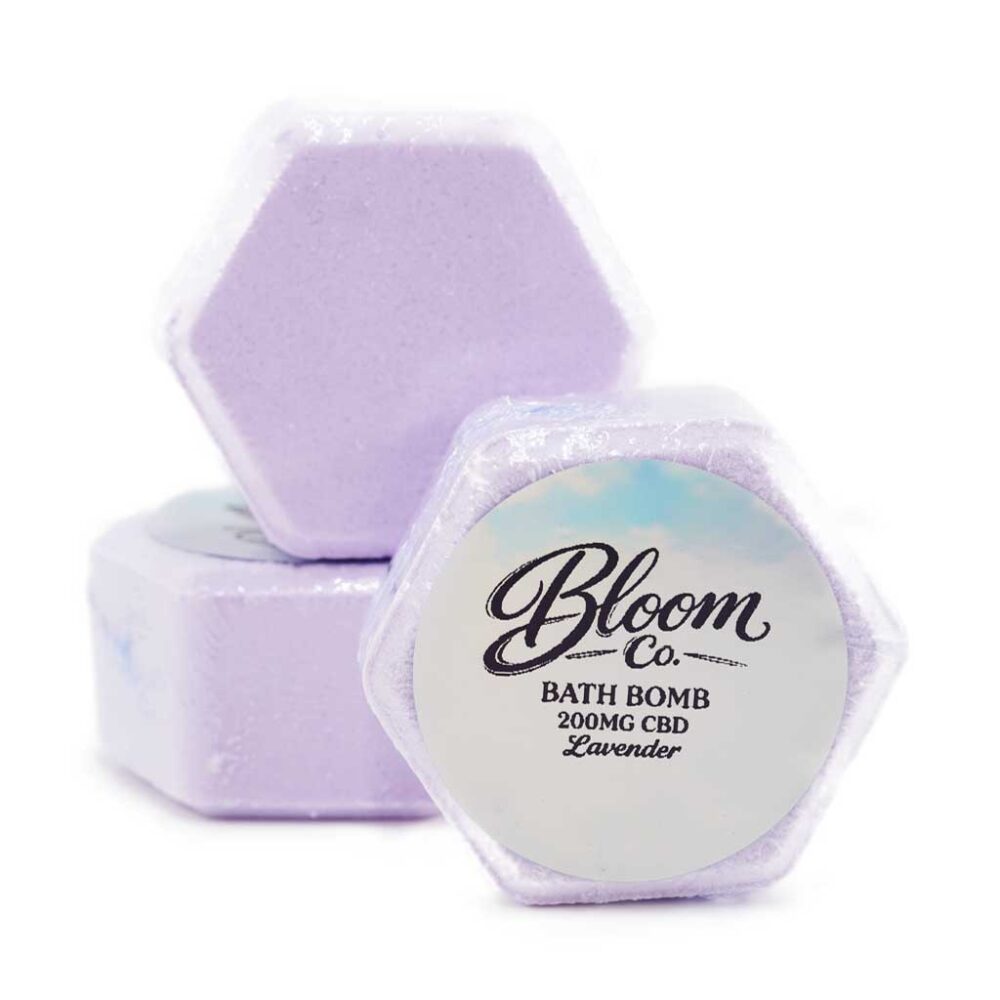
One of the more interesting findings from recent research is that CBD may actually promote wakefulness in low doses and sleep in higher doses. That means the dosage matters a lot, and a blanket recommendation rarely works. Full spectrum CBD, which includes a range of cannabinoids and terpenes from the hemp plant, is often preferred because the various compounds can support each other. You might also see products that combine CBD with other sleep-supportive ingredients like lavender or chamomile. A bath bomb infused with CBD and lavender, for instance, can be a pleasant way to wind down before bed, but it is not going to deliver a concentrated dose. For someone dealing with chronic insomnia, a tincture or an edible taken about an hour before sleep is more likely to produce a noticeable effect.
Practical Forms and What They Offer
The form you choose for a cbd sleep aid influences how fast it works and how long it lasts. Inhalation through a vape pen delivers CBD to the bloodstream quickly, often within minutes. That can be useful if you need to calm anxiety right before bed, but the effects may not last through the night. On the other end of the spectrum, edibles and gummies have to pass through the digestive system, so they take longer to kick in, often thirty minutes to an hour, but the effects can last several hours. Oils and tinctures taken under the tongue offer a middle ground, with faster absorption than an edible but a longer duration than inhalation.
Topical products such as a balm are not typically the first choice for sleep, but they can help with physical tension. If your insomnia is linked to sore muscles or joint discomfort, rubbing a CBD balm on the affected area before bed can reduce the physical restlessness that keeps you awake. I have recommended this approach to people who wake up repeatedly because of pain, and they often report a noticeable improvement even though the CBD is not entering the bloodstream in large amounts.
Comparing CBD to Melatonin and Other Sleep Aids
Melatonin is the most common natural sleep aid, and it works well for some people, especially those with shifted sleep schedules or jet lag. But it is a hormone, and taking it regularly can affect your body's own production. Over time, you may need higher doses to get the same effect, and some people report vivid dreams or grogginess. CBD, by contrast, is not a hormone. It does not directly raise melatonin levels; instead, it helps regulate the systems that produce melatonin naturally. That makes it a gentler option for long-term use, though individual responses vary.
Other herbal sleep aids like valerian root or chamomile can be effective for mild anxiety, but they often lack the potency needed for more stubborn insomnia. Full spectrum CBD, especially when combined with a calming terpene profile, tends to offer a broader range of effects. That said, no single product works for everyone. I have seen people respond beautifully to a CBD gummy with added melatonin, and I have seen others do better with a plain CBD oil that contains no other active ingredients. The key is to start with a low dose, observe how your sleep cycle responds over several nights, and adjust from there.
Building a Routine Around CBD
Getting the most out of any sleep aid requires more than just taking the product. The environment matters. If you are scrolling through your phone while eating a CBD gummy, you are working against the compound's calming effect. The best results I have seen come from people who pair their CBD with a short wind-down ritual: dimming the lights, avoiding screens for thirty minutes, maybe reading or doing light stretching. A balm applied to the temples or the back of the neck can also reinforce the relaxation signal. The goal is to create a consistent signal for your body that sleep is coming.
Stress relief is another factor. CBD works partly by lowering the physiological stress response, but if your mind is still running through a list of worries, the effect is diminished. Some people find that writing down their thoughts before taking CBD helps clear the mental clutter so the compound can do its job on the physical side. This combination of behavioral and biochemical support is what makes a cbd sleep aid more than just a supplement; it becomes part of a larger sleep strategy.
What to Look For and What to Avoid
Quality matters more with CBD than with most supplements because the market still has a lot of inconsistency. Look for products that use full spectrum CBD from hemp, and check for third-party lab results. The label should tell you how much cannabidiol is in each serving, and the product should be free of heavy metals and residual solvents. Avoid anything that makes grand promises or claims to cure insomnia overnight. A legitimate product will be upfront about what it can and cannot do.
Dosage is personal. A common starting point is 25 to 50 milligrams of CBD about an hour before bed, but some people need less and some need more. Pay attention to how you feel the next morning. If you wake up groggy, you might have taken too much, or the product might contain other ingredients that affect sleep quality. Gummies and edibles are easy to dose because they come in fixed portions, but oils and tinctures allow for more precise adjustments. A vape pen is harder to dose precisely, but it works fast if you need immediate relief from anxiety that is keeping you awake.
Final Thoughts on the Trade-Offs
No sleep aid is perfect, and CBD is no exception. It does not work for everyone, and the effects can be subtle at first. But for people who have tried melatonin, herbal teas, and good sleep hygiene without lasting success, a cbd sleep aid offers a different path. It addresses the underlying stress and anxiety that often fuel insomnia, rather than just covering the symptom. That makes it a more sustainable option for many people, especially those who want to avoid the tolerance and side effects that come with stronger medications.
The best approach is to treat CBD as one tool in a larger kit. Combine it with good sleep habits, choose a form that fits your lifestyle, and give it time. A few nights of trial will tell you more than a week of reading reviews. And if you find that a CBD bath bomb helps you relax but does not keep you asleep through the night, consider switching to a tincture or edible that provides a longer duration of effect. The flexibility is part of what makes CBD worth exploring for sleep. It is not a one-size-fits-all solution, but for many people it is the missing piece that finally makes the rest of the routine work.